







When Hormones Go on a Roller Coaster Ride
About 75% of all women of childbearing age experience symptoms before their period that fall under the termpremenstrual syndrome (PMS). Although PMS is common, its exact causes often remain a mystery. In this article, we’ll explain what PMS is, what symptoms may occur, and how to manage it effectively—so you can better understand what your body is going through and find the right solutions.
What Is PMS, and What Happens in the Body?
Premenstrual syndrome describes a variety of symptoms that occur in the days leading up to a period. It is believed that hormonal fluctuations—particularly an imbalance between estrogen and progesterone—play a central role. The release of neurotransmitters such as serotonin, which influence our mood, may also be involved.
PMS usually begins in the second half of the cycle (luteal phase) and ends with the onset of menstruation. The intensity of symptoms varies from person to person, and not every woman experiences the changes with the same severity.
What symptoms can occur?
PMS can cause both physical and emotional symptoms. The most common symptoms are:
Physical symptoms:
- Lower abdominal pain or a feeling of tightness in the abdomen.
- Breast tenderness and sensitivity.
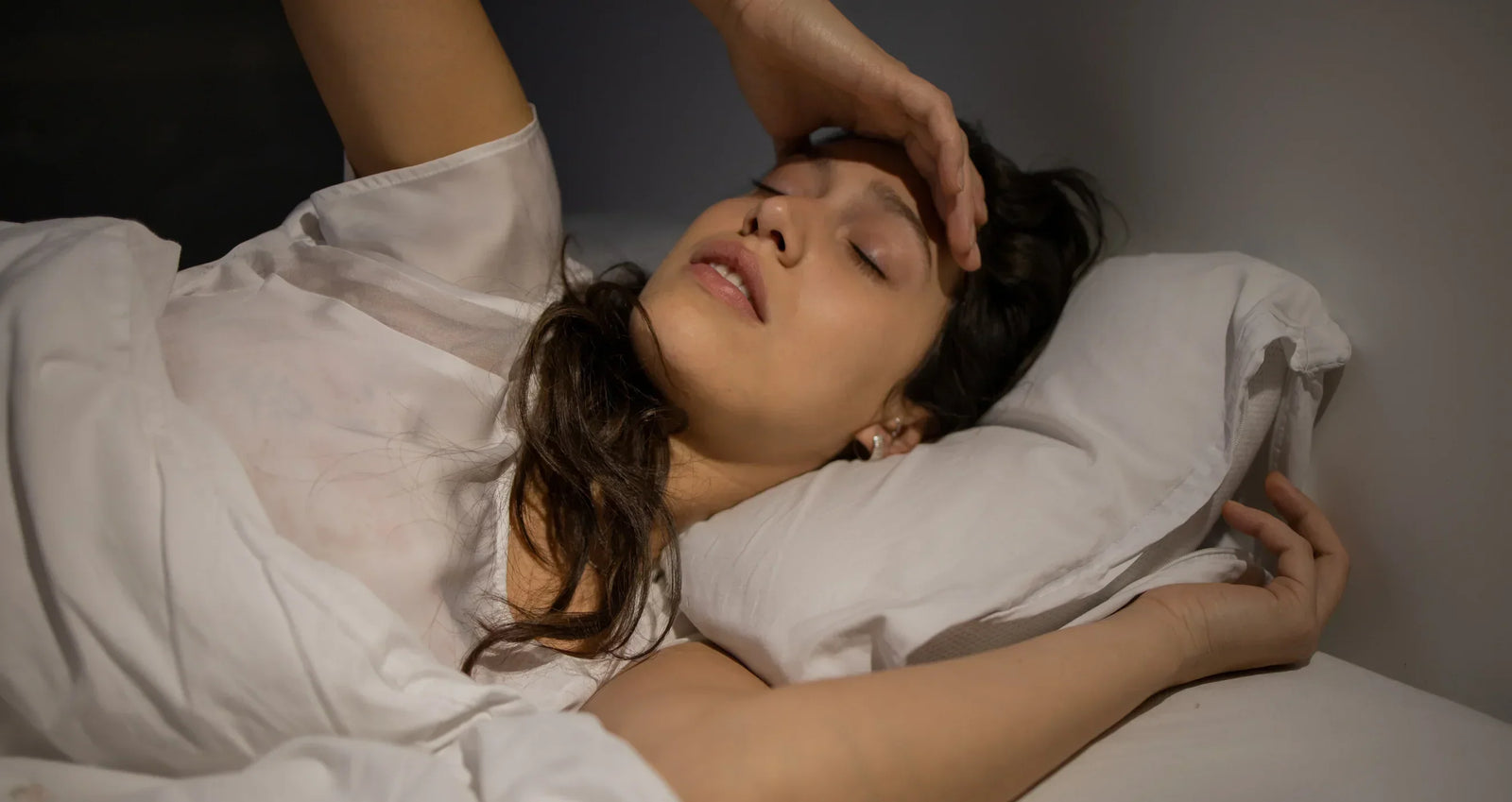
- Headaches or migraines.
- Fatigue and lack of energy.
- Bloating or digestive problems.
Emotional symptoms:
- Irritability or sudden mood swings.
- Feeling down or depressed.
- Difficulty concentrating.
- Sleep disturbances or an increased need for sleep.
Not every woman experiences all of these symptoms, and their intensity can vary from month to month.
What can help with PMS?
There are many ways to relieve PMS symptoms. It’s important to figure out what works best for you:
- Exercise:Regular physical activity, even at a moderate level, can help stabilize your mood and relieve cramps. Yoga, swimming, and walking are particularly relaxing.
- Diet:A balanced diet low in sugar, salt, and caffeine can reduce bloating and have a positive effect on mood. Magnesium, calcium, and vitamin B6 are particularly helpful.
- Stress management:Relaxation techniques such as meditation, progressive muscle relaxation, or breathing exercises can reduce stress and improve your mood.
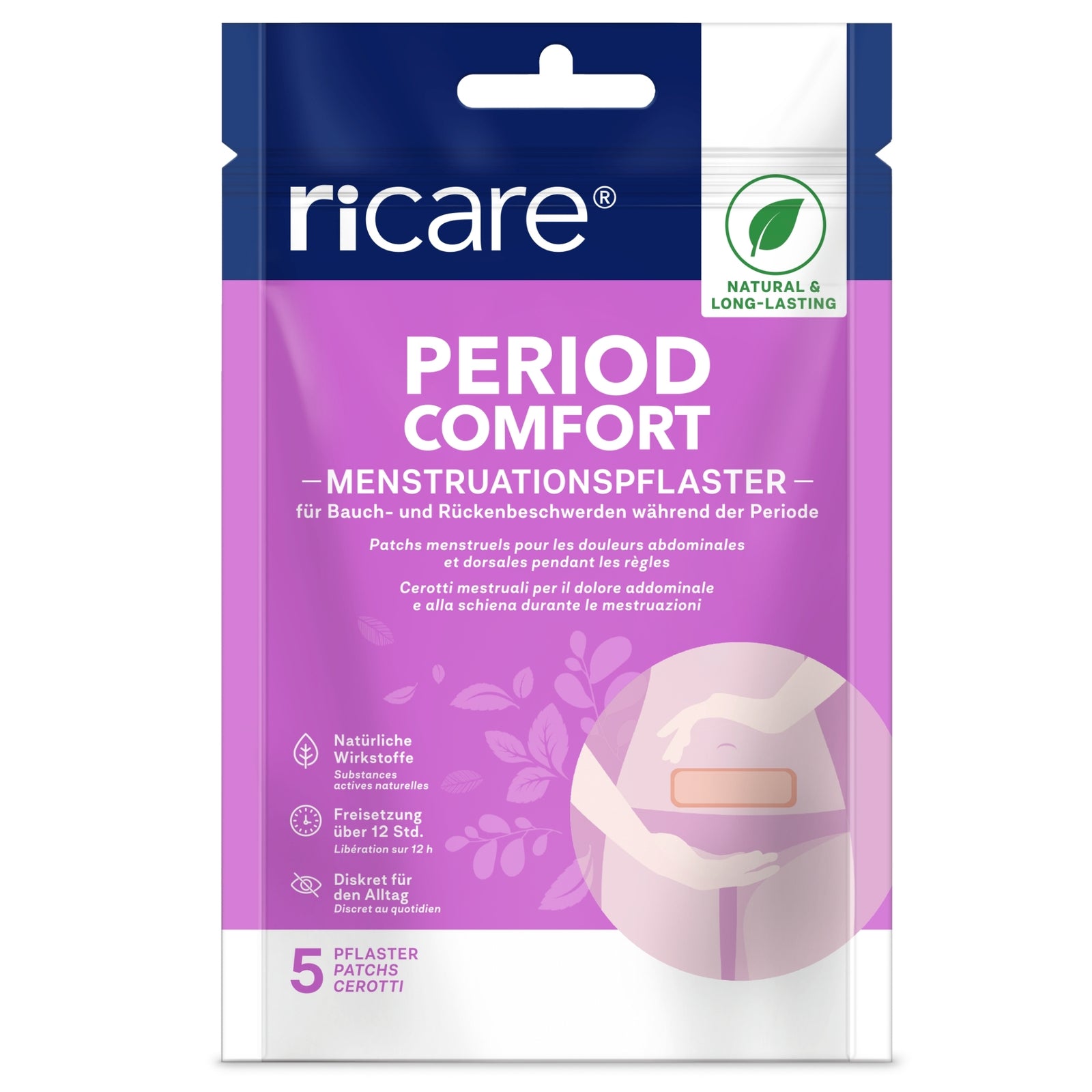
- Menstrual patches: ricare® menstrual patches can provide pleasant relief from abdominal pain—they’re practical, natural, and can be used no matter where you are.
When should you seek medical advice?
Sometimes, PMS-like symptoms can indicate more serious issues such aspremenstrual dysphoric disorder (PMDD)or other gynecological conditions. If symptoms are very severe, interfere with daily life, or last longer than a few days, it’s advisable to talk to a doctor.