






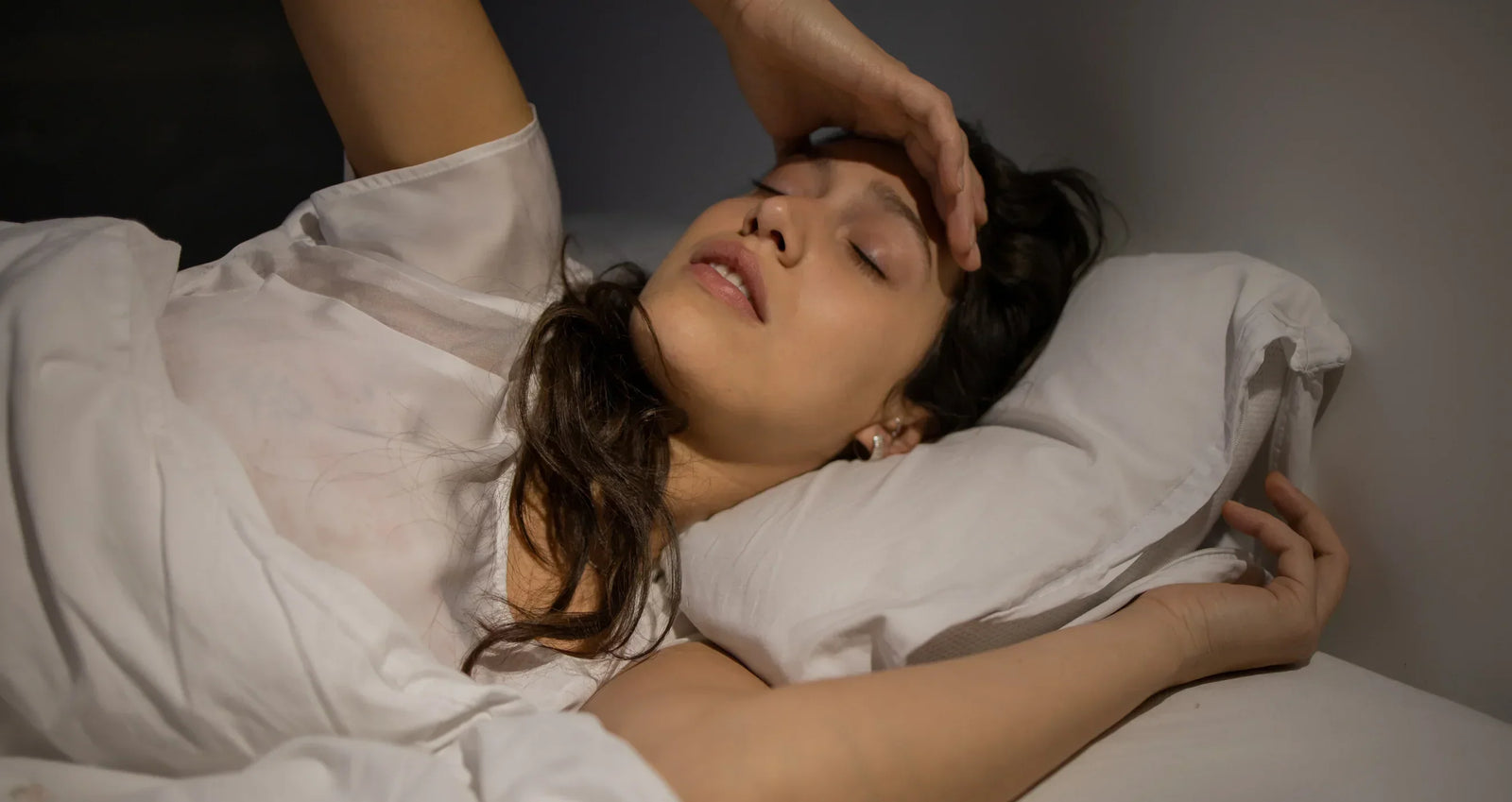

Do you sleep worse before your period? You’re not alone. Many women notice that their ability to fall asleep or stay asleep varies depending on the phase of their cycle. These changes are often closely linked to your hormonal cycle.
How Hormones Affect Your Sleep
Your menstrual cycle affects far more than just your period. Your sleep-wake cycle is also highly sensitive to hormonal fluctuations.
Two hormones in particular play a central role:
- Progesteronehas a calming effect and can promote sleep.
- Estrogenssupport sleep quality and, among other things, regulate body temperature.
These hormones change throughout your cycle—and that’s exactly what may explain why you sleep better during some phases than others.
Follicular Phase: Sleep Tends to Be Stable
The follicular phase begins on the first day of your period and lasts until ovulation. During this time, estrogen levels rise slowly, while progesterone remains low.
Many people find this phase to be relatively stable:
- It’s easier to fall asleep
- Sleep remains more restful
- Energy levels and mood are often more balanced
Not every woman experiences it the same way—but for many, this is the “more sleep-friendly” time in the cycle.
Luteal Phase: Poorer Sleep Before Your Period
The luteal phase begins after ovulation. At first, progesterone levels rise, but then drop again if pregnancy does not occur. It is precisely these hormonal changes that can affect sleep.
Typical symptoms during the second half of the cycle include:
- inner restlessness
- Irritability
- mood swings
- physical discomfort
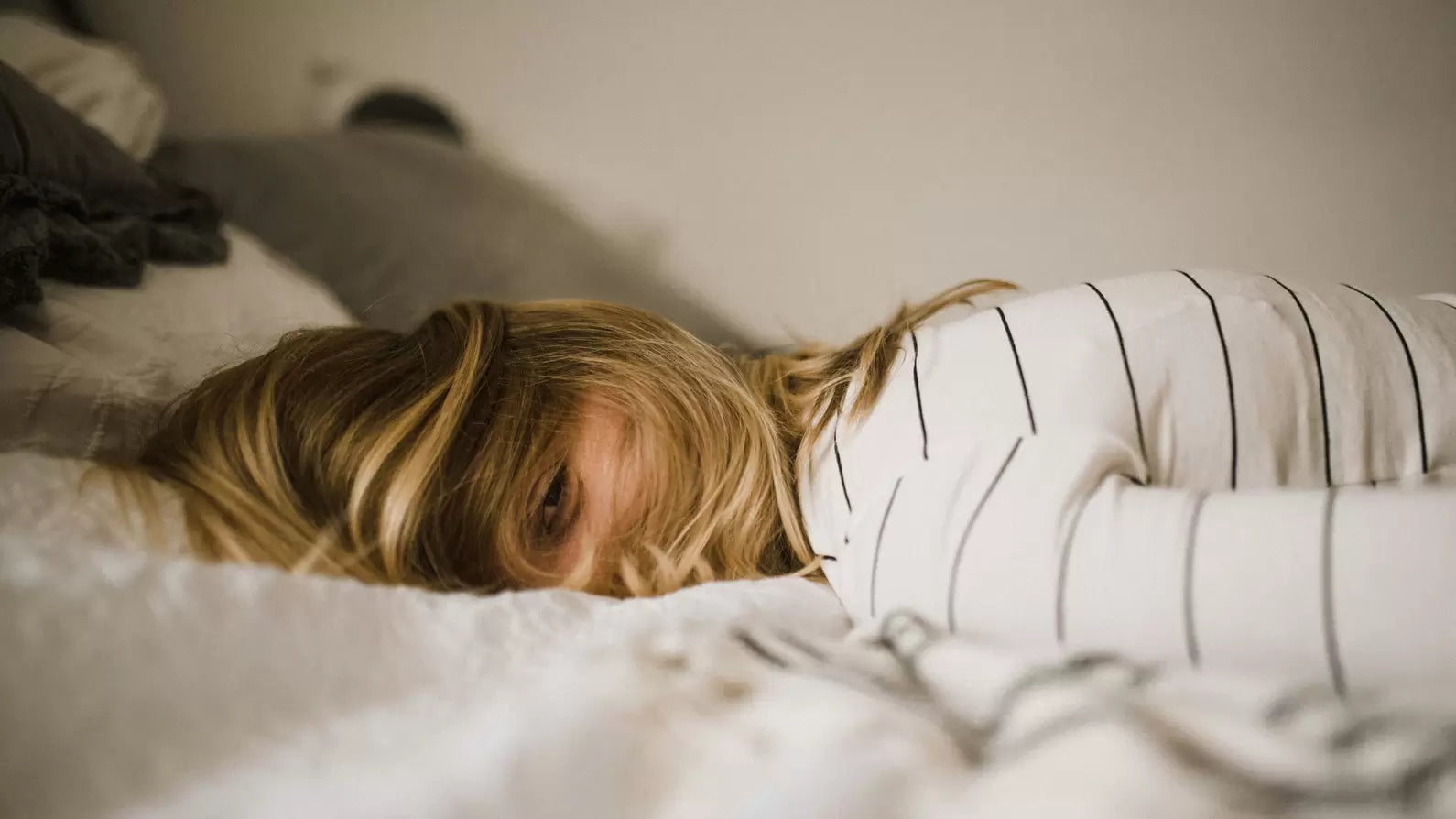
Many people report that they sleep worse before their period, wake up more often, or feel less rested in the morning.
Why This Happens
During the luteal phase, body temperature is slightly elevated. At the same time, the drop in progesterone affects the nervous system. The body is, so to speak, under more stress—which can make it harder to fall asleep or disrupt sleep throughout the night.
Stress is also often perceived more intensely during this phase, which can further affect sleep quality.
What do studies say about this?
Scientific studies show that hormonal fluctuations can indeed affect sleep duration and sleep quality. Problems sleeping through the night occur more frequently, especially in the days leading up to your period—even in people without pronounced PMS symptoms.
The connection varies from person to person, but it can be well explained by hormonal changes.
What You Can Do Specifically
Identify patterns
Over the course of several cycles, observe when your sleep becomes more restless. Often, a clear pattern emerges before your period.
Adjust your evening routine
In the second half of the cycle, many people are more sensitive to stress. Deliberately planning a calm evening routine can help you fall asleep more easily.
Pay attention to your body temperature
Since your temperature is slightly elevated during the luteal phase, a cooler bedroom can help you sleep better.
Take symptoms seriously
If sleep problems are causing you significant distress or persist over a long period, it’s a good idea to see a doctor.
Conclusion: Sleep in harmony with your cycle
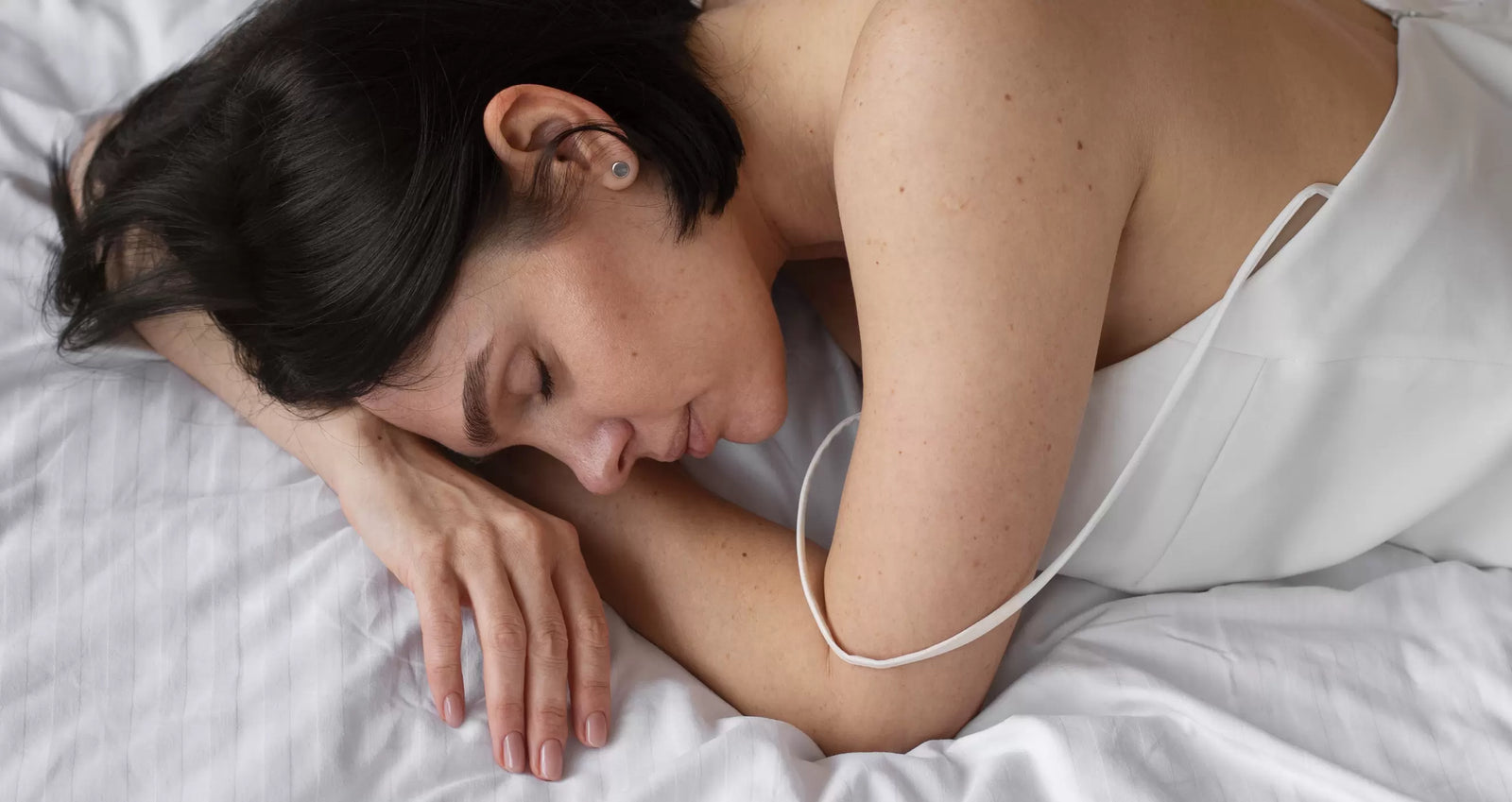
Your sleep changes throughout your menstrual cycle—and that’s no coincidence. While the follicular phase is often more stable, the luteal phase is more frequently marked by restlessness or trouble sleeping through the night.
If you understand which phase you’re in and how your body reacts, you can manage it more consciously—and better understand your sleep patterns.