








Plant estrogens, also known as phytoestrogens, are often mentioned in connection with menopause. Many women come across terms such as soy isoflavones, red clover, or sage when searching for plant-based alternatives. But what exactly are plant estrogens—and why are they getting so much attention?
What are plant estrogens?
Phytoestrogens are natural plant compounds found in certain plants. Their name derives from their structural similarity to the body’s own hormone, estrogen.
This similarity does not mean that they act identically in the body. Rather, they can bind to certain receptors and are therefore scientifically studied in connection with hormonal changes.
The most important groups include:
- Isoflavones
- Lignans
- Cumestanes
Isoflavones, in particular, are the subject of numerous studies.
Where are they found?
Phytoestrogens are found in various foods and plant extracts. Typical sources include:
- Soy and soy products
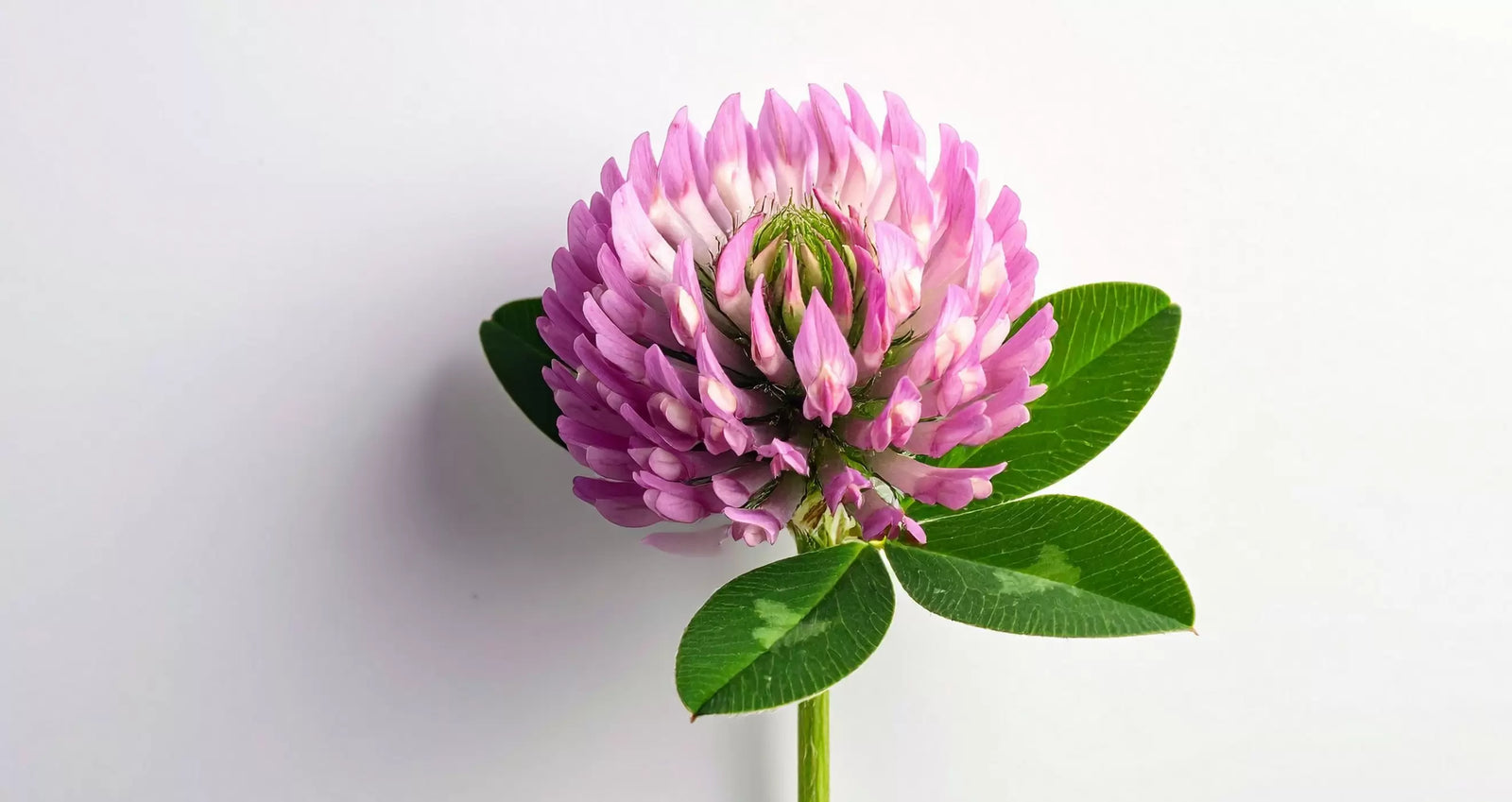
- Red clover
- Sage
- Flaxseed
- Legumes
The isoflavone content varies significantly depending on the plant and how it’s processed.
Why are phytoestrogens an issue during menopause?
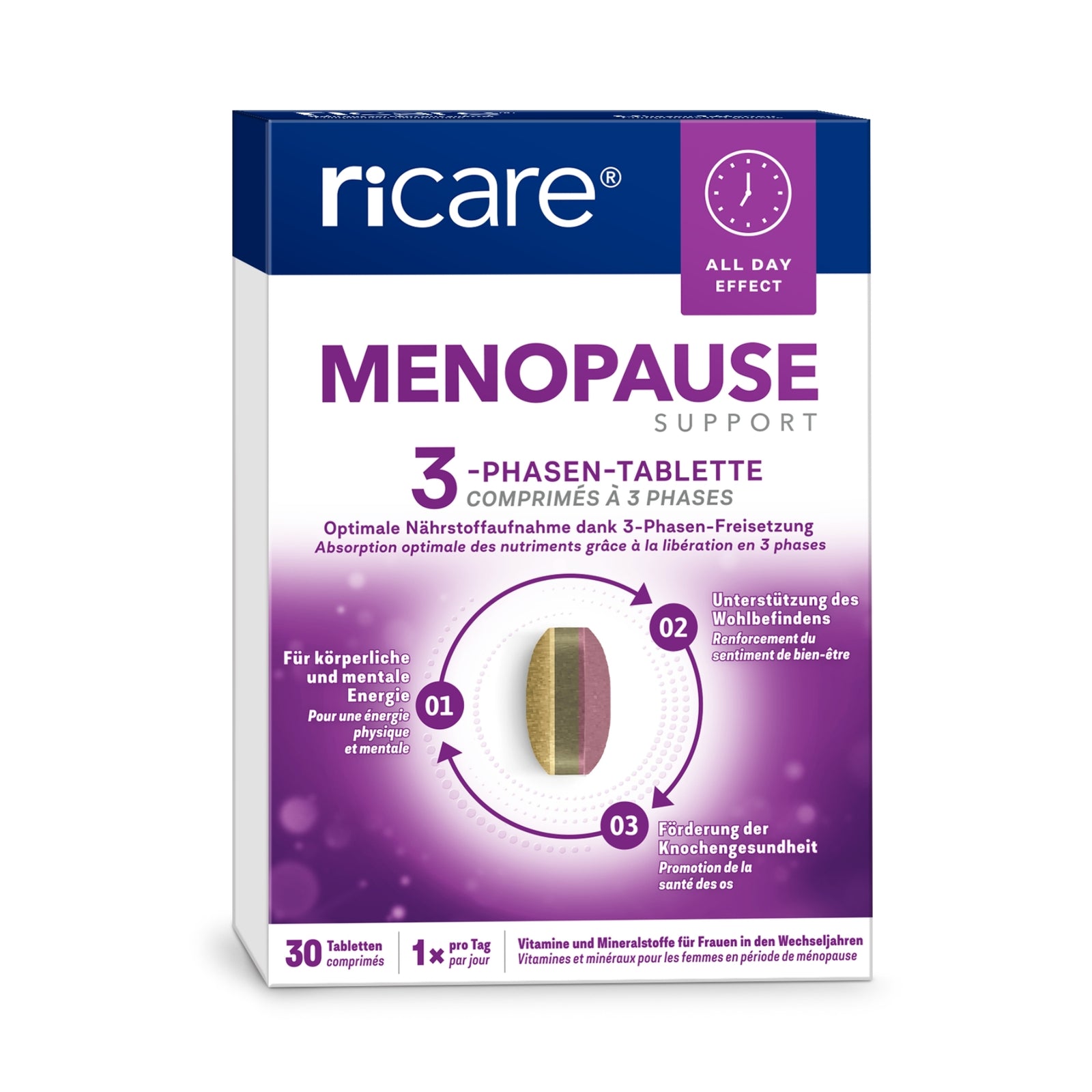
During menopause, the body’s own estrogen production decreases. These hormonal changes can affect various bodily functions.
Due to their structural similarity to estrogen, phytoestrogens have been studied in a scientific context for many years. They are of particular interest to women who are interested in plant-based compounds.
It is important to note that phytoestrogens are not hormones, but plant compounds. Their absorption and metabolism depend, among other things, on individual factors such as gut flora, diet, and metabolism.
Plant-Based Isoflavones in Dietary Supplements
In addition to foods, isoflavones from soy or red clover are also specifically used in dietary supplements. These supplements contain standardized plant extracts that provide a defined amount of isoflavones.
Many women consciously choose plant-based products during this phase of life to support their bodies. However, dietary supplements are not a substitute for a balanced diet and a healthy lifestyle.
Conclusion
Plant estrogens are natural compounds found in soy, red clover, sage, and other plants. Due to their structural similarity to the body’s own estrogen, they are being intensively studied, particularly in relation to menopause.